Pacific Escapes: Santiago's Central Coast Unveiled
Updated: Sep 11

Chile is famously long and narrow, and nowhere does that geography pay off more beautifully than along its Central Coast. Within two hours of Santiago, the Pacific Ocean opens up in all its wild, windswept glory — a coastline that mixes vibrant port culture, surf breaks, fishing villages, and dramatic clifftop scenery.
Valparaíso: A City Unlike Any Other

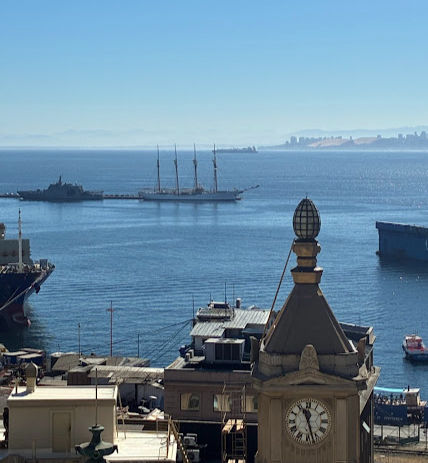
No visit to Chile’s Central Coast feels complete without time in Valparaíso. Recognized as a UNESCO World Heritage city, it unfolds across a labyrinth of hills that rise steeply from the Pacific, creating a landscape that is as complex as it is captivating. What sets Valparaíso apart is not just its setting, but the way its identity has been shaped over centuries by maritime trade, migration, and a constant exchange of cultures.
As you move through the city, narrow streets twist between brightly painted houses, hidden stairways, and expansive viewpoints that open suddenly onto the bay. Street art here is not incidental but deeply embedded in the urban fabric, with large-scale murals and small details alike reflecting the city’s creative pulse. The historic ascensores, still climbing the hillsides as they have for decades, offer both a practical way to navigate the terrain and a glimpse into Valparaíso’s past.
The port remains at the heart of it all, bringing a sense of movement and raw authenticity. Around it, neighborhoods blend tradition and reinvention, where long-standing seafood restaurants sit alongside contemporary spaces, and where a distinctly bohemian atmosphere continues to draw artists, writers, and curious travelers. Valparaíso is not polished in the conventional sense, but that is precisely its appeal. It is a city that invites exploration, rewards curiosity, and leaves a lasting impression through its character, contrasts, and unmistakable sense of place.
Viña del Mar: The Garden City
Just a short drive from Valparaíso, Viña del Mar offers a striking contrast in atmosphere and pace. Where Valparaíso feels layered, raw, and deeply artistic, Viña presents a more refined and composed side of the coast. The city is known for its orderly avenues, landscaped gardens, and a sense of openness that comes from its wide beaches and coastal promenades stretching along the Pacific.
Often referred to as the “Garden City,” Viña del Mar has long been a favorite retreat for Santiago’s residents, especially during the summer months. Its elegant hotels, seaside cafés, and well-kept public spaces create an environment that feels relaxed yet sophisticated. The historic casino, set near the waterfront, adds a touch of classic glamour, while the coastline itself invites long walks, quiet moments by the ocean, and an easy rhythm that contrasts with the intensity of nearby Valparaíso.
What makes the experience truly special is how naturally these two cities complement one another. Together, they offer a fuller understanding of Chile’s central coast, balancing character and refinement, creativity and calm, all within a short and seamless journey..
Algarrobo, Rocas de Santo Domingo & the Southern Beaches

Heading south along Chile’s central coast, a series of quieter seaside towns begins to unfold, each offering a more relaxed and authentic glimpse into coastal life. Destinations like Algarrobo, El Quisco, El Tabo, and Rocas de Santo Domingo are less about polished tourism and more about local rhythm, where Chilean families gather for weekends by the ocean and sailing remains a deeply rooted tradition.
These towns are known for their calm bays, making them ideal for boating, swimming in protected areas, and enjoying slower days by the sea. Algarrobo, often referred to as Chile’s nautical capital, is especially popular among sailing enthusiasts, while the surrounding beaches stretch out with a raw, natural beauty that feels untouched compared to busier destinations further north.
The Pacific here is shaped by the Humboldt Current, bringing cold, nutrient-rich waters that define both the landscape and the cuisine. While the ocean may be brisk, it supports an extraordinary marine ecosystem, which translates directly to the table. Along the coast, small fishing coves known as caletas supply restaurants with fresh daily catches, from ceviche and grilled fish to shellfish prepared in traditional Chilean style.
Exploring this stretch of coastline offers something different from the more well-known destinations near Santiago. It is quieter, more local, and deeply connected to the sea, making it a rewarding addition for travelers seeking an authentic coastal experience, fresh seafood, and a deeper understanding of Chile’s maritime culture.
Zapallar: Chile's Most Beautiful Coastal Village

About an hour and a half north of Santiago, Zapallar stands in a category of its own. Often described as one of the most beautiful villages on Chile’s coast, this exclusive enclave rests on a sheltered cove framed by forested hills that drop steeply into the Pacific, creating a setting that feels both intimate and dramatic.
Unlike the busier resort towns, Zapallar has carefully preserved its unhurried and refined character. Elegant early 20th-century homes remain tucked among the trees, quiet walking paths trace the coastline, and a small fishing caleta adds a touch of authenticity to the scene. The local restaurant set on the rocks is widely regarded as one of the finest places on the Chilean coast for a long, leisurely seafood lunch, where the pace of the day naturally slows.
What makes Zapallar truly special is its atmosphere. It feels secluded without being remote, sophisticated without being overstated. Even when you arrive knowing exactly where you are, it still carries the feeling of having discovered something quietly exceptional.

Pichilemu: Chile's Surf Capital
About three hours from Santiago, Pichilemu stands in a category of its own. Widely known as Chile’s surf capital, it is home to Punta de Lobos, a world-renowned point break that consistently draws professional surfers from around the globe. The energy of the ocean here is constant and powerful, shaping both the landscape and the rhythm of life along the coast.
Even for those who don’t surf, the setting is striking. Dramatic cliffs meet the Pacific in a series of windswept viewpoints, where long lines of swell roll in and crash against the rocks below. The atmosphere is relaxed and unpretentious, with a small-town feel that contrasts sharply with the pace of Santiago. Cafés, local restaurants, and simple lodges create a scene that is both welcoming and quietly vibrant.
Pichilemu offers more than just a destination; it offers a shift in perspective. It is a place where nature takes the lead, where days are shaped by the tide and the wind, and where the connection to the ocean feels immediate and real.
A Private Coastal Tour from Santiago
The Central Coast is one of the most popular day trips and overnight excursions we offer from Santiago. A private tour allows you to move at your own pace — spending extra time in Valparaíso's hillside neighborhoods, stopping at a clifftop seafood restaurant with ocean views, or exploring lesser-known coastal villages that most visitors never discover. Whether you want a cultural deep-dive into Valpo's history or a leisurely drive along the Pacific, the Central Coast delivers one of Chile's most rewarding travel experiences.


Comments